
Strength Training Nutrition Essentials
Comprehensive guides, meal plans, and nutritional strategies to maximize your athletic performance and recovery
Browse by Category
Featured Articles & Resources

Daily Protein Requirements for Strength Athletes
Understand how much protein your body needs based on training intensity, body weight, and fitness goals. Learn the science behind optimal protein distribution throughout the day for maximum muscle protein synthesis.
Read More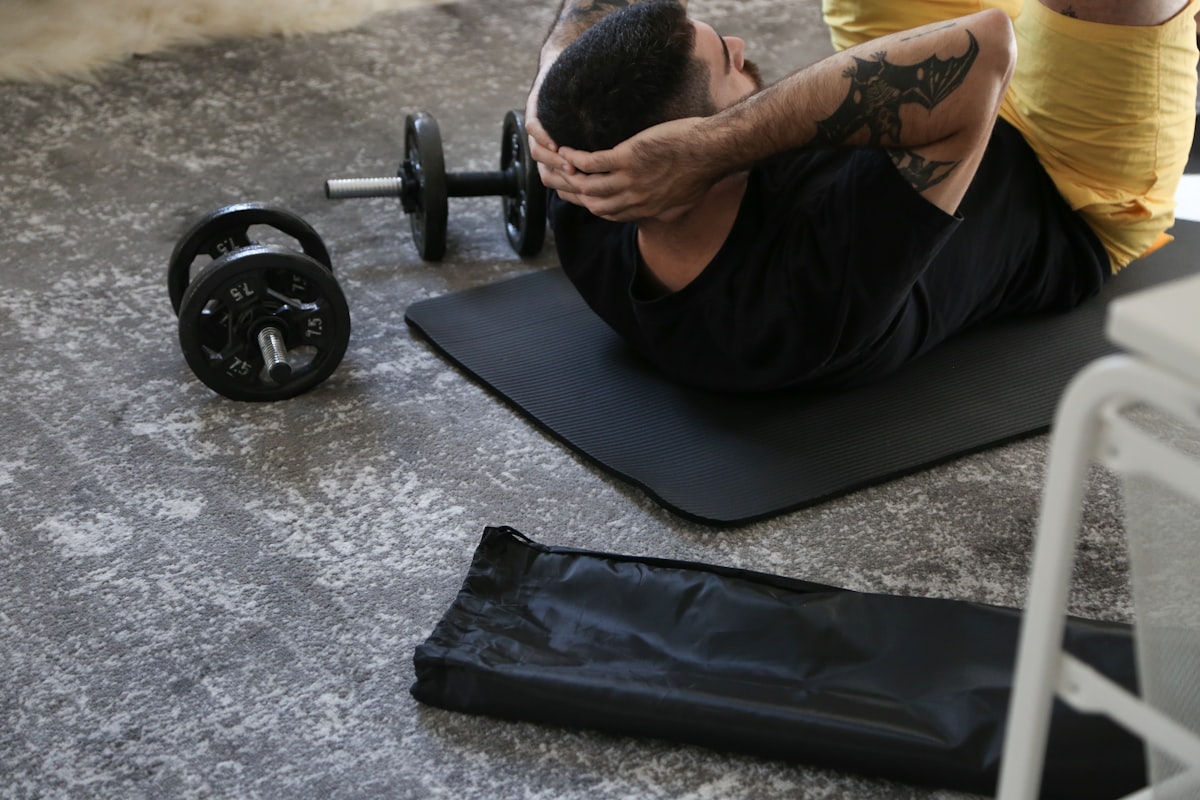
Weekly Meal Prep Strategies for Busy Athletes
Discover practical meal preparation techniques that save time and ensure consistent nutrition. From batch cooking to smart storage, learn how to maintain proper macronutrient balance throughout the week.
Read More
Pre-Workout Nutrition Timing and Composition
Learn what to eat before your training sessions to maximize energy, strength, and endurance. Explore optimal timing windows and carbohydrate-to-protein ratios for different workout types.
Read More
Post-Workout Recovery Nutrition Window
Optimize your recovery by understanding the anabolic window and nutrient timing. Learn which foods and nutrients accelerate muscle repair and replenish energy stores after intense training.
Read More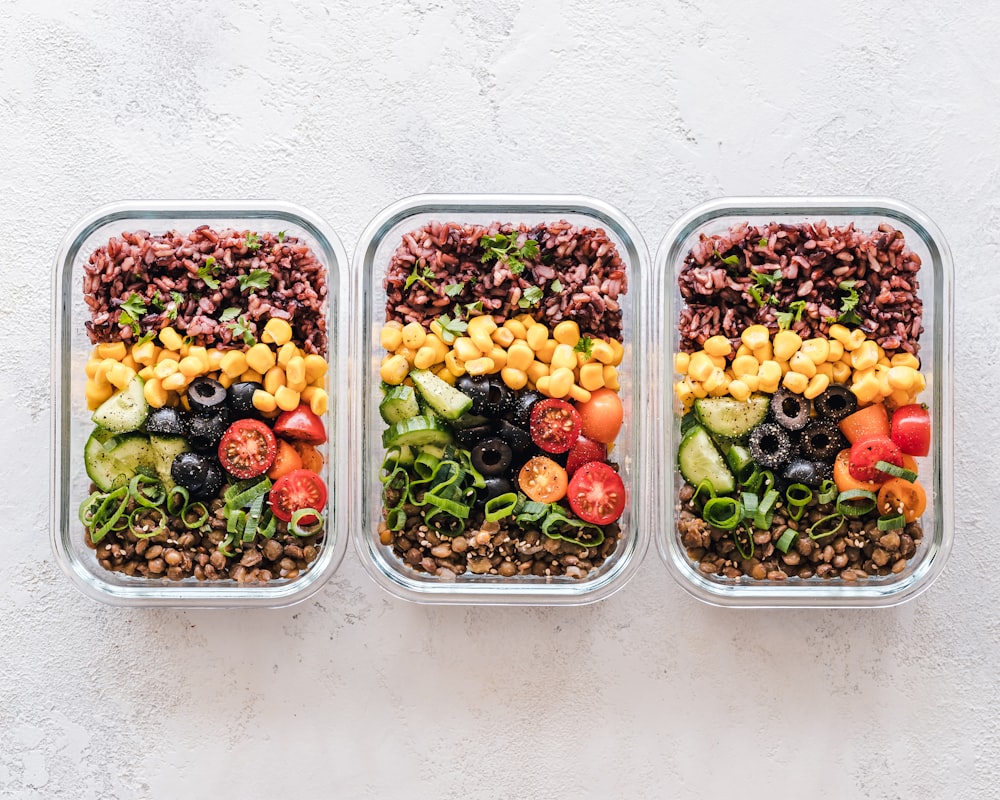
Hydration and Electrolyte Management for Athletes
Understand fluid balance, electrolyte needs, and sweat rate calculations. Discover how proper hydration prevents performance decline and supports muscle function during and after training.
Read More
Evidence-Based Supplement Selection Guide
Navigate the supplement market with science-backed information. Learn which supplements show genuine performance benefits, proper dosing protocols, and how to integrate them with whole foods.
Read More
Macronutrient Distribution and Timing Strategies
Explore optimal ratios of carbohydrates, proteins, and fats for strength training. Learn how nutrient timing around workouts and throughout the day influences muscle growth and body composition.
Read More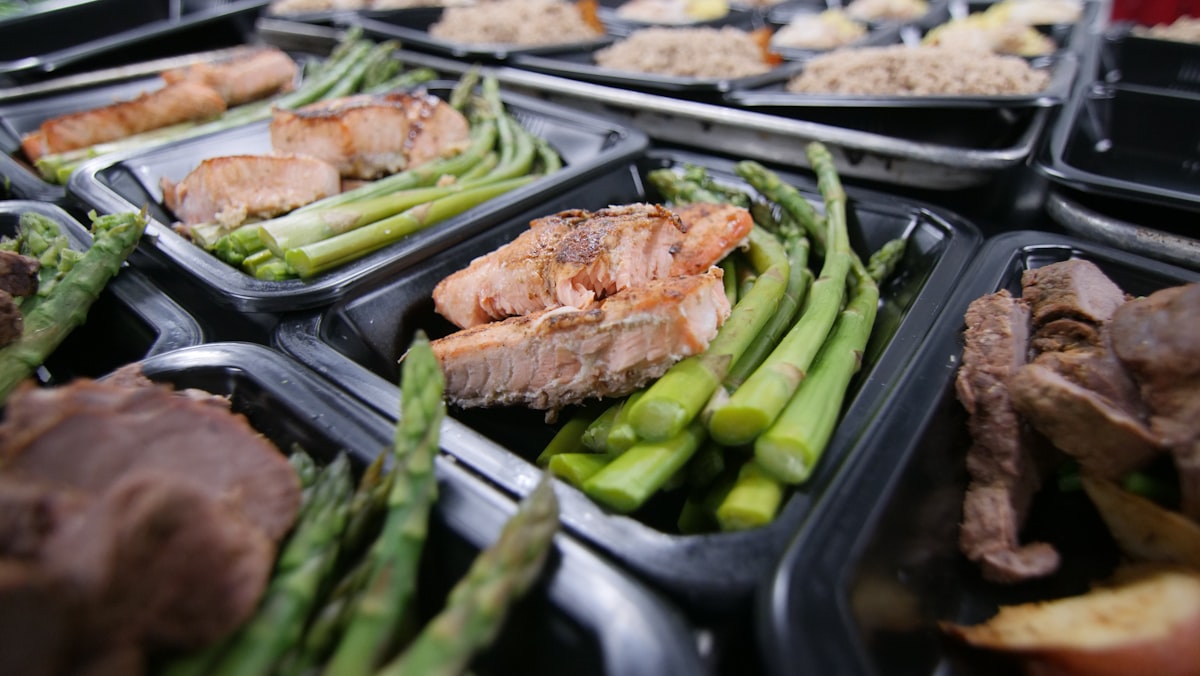
Calculating Daily Caloric Needs for Strength Gains
Learn how to calculate your individual caloric requirements based on activity level, metabolism, and training goals. Understand surplus vs. deficit strategies and their effects on muscle development and fat loss.
Read More
Essential Micronutrients for Athletic Performance
Discover the role of vitamins and minerals in energy production, muscle contraction, and recovery. Learn about critical nutrients like iron, magnesium, zinc, and B vitamins for strength athletes.
Read MoreStay Updated With Latest Nutrition Science
Get weekly articles on strength training nutrition, evidence-based strategies, and training insights delivered to your inbox.
We respect your privacy. Unsubscribe anytime.
Frequently Asked Questions
Current research suggests consuming 1.6 to 2.2 grams of protein per kilogram of body weight daily for optimal muscle protein synthesis and strength gains. This range applies to most strength training goals. Individual needs may vary based on training intensity, age, and overall caloric intake.
Consume a meal containing carbohydrates and protein 2-3 hours before training, or a light snack 30-60 minutes before. Pre-workout nutrition should include easily digestible carbs for energy and amino acids for muscle support. Avoid excessive fat and fiber to prevent digestive discomfort during exercise.
While the post-workout window is valuable, overall daily nutrition is more important for muscle growth. Consuming protein and carbohydrates within a few hours after training supports recovery, but total daily macronutrient intake matters more than the exact timing of a single meal.
Increase caloric intake proportionally to your added training volume to support recovery and muscle growth. Maintain your protein targets and monitor your body weight. If strength stalls, increase carbohydrate intake to fuel higher training demands and preserve strength performance.
Whole foods should form the foundation of your nutrition. Supplements like creatine and whey protein can support your program but are not essential. Focus on consistent training, adequate calories, and sufficient protein from food first. Supplements are complementary tools, not substitutes for solid nutrition basics.
A general guideline is 35-40 milliliters per kilogram of body weight daily, adjusted for climate and training intensity. Monitor urine color as a practical indicator—pale yellow suggests adequate hydration. During training, drink 5-10 milliliters per kilogram of body weight per hour, depending on sweat rate and exercise duration.
Additional Resources
Comprehensive Nutrition Guides
Detailed articles covering macronutrients, micronutrients, timing strategies, and food selection for strength athletes. Science-backed information from sports nutrition research.
Meal Prep Strategies
Practical approaches to meal preparation that save time while maintaining nutritional consistency. Learn batch cooking, storage techniques, and balanced meal composition.
View StrategiesExpert Q&A Section
Have questions about strength training nutrition? Our editorial team covers common inquiries and provides evidence-based answers for your training and diet concerns.
Ask a QuestionReady to Optimize Your Training Nutrition?
Browse our complete library of nutrition guides, meal plans, and evidence-based articles designed for serious strength athletes in South Africa.